Employer Branding
Sie haben Probleme, qualifizierte Mitarbeiter zu finden und zu halten?
In einer zunehmend globalisierten und digitalisierten Arbeitswelt stehen Unternehmen vor vielfältigen Herausforderungen, wenn es darum geht, qualifizierte Mitarbeiter zu gewinnen, zu binden und zu motivieren. Diese Herausforderungen reichen von einem zunehmenden Fachkräftemangel in bestimmten Branchen bis hin zu einem wachsenden Bedürfnis der Mitarbeiter nach Sinnhaftigkeit und Work-Life-Balance.
Die Identifikation mit einem Unternehmen rückt immer mehr in den Fokus, für Arbeitgeber genauso wie für Arbeitnehmer. Statistiken, Umfragen und Studien zeigen, dass die Nachwuchskräfte nicht mehr nur durch Gehalt, Altersvorsorge oder kostenfreie Getränke zu überzeugen sind.
Viel mehr achten sie auf das Teamgefühl, die gelebte Unternehmenskultur und auf die Werte ihres Arbeitgebers. Das Leben ist kurz und wer es sich aussuchen kann, der verbringt den Großteil seines Tages in einem Umfeld, in dem er oder sie sich wohlfühlt, bzw. in einem Umfeld, mit dem er oder sie sich gerne identifiziert.
Wir können sie auf Ihrem Weg zu einer von Ihren Mitarbeitern geliebten Marke, zum LOVE-BRAND unterstützen.

Ihr Kontakt
Rita Kuske
+49 17 096 01 600
This email address is being protected from spambots. You need JavaScript enabled to view it.
Insgesamt kann man sagen, dass Employer Branding das übergeordnete Konzept ist, das darauf abzielt, die Arbeitgebermarke zu gestalten und zu kommunizieren, während die Employer Value Proposition ein spezifisches Element des Employer Branding ist, das das einzigartige Angebot des Unternehmens für Mitarbeiter darstellt.
Um Werte und Corporate Visionen zu vermitteln, gibt es mittlerweile diverse Maßnahmen im Personalmarketing. Doch wie findet man den Kern der Botschaft als Unternehmen heraus und wie bringt man ihn auf den Punkt?
Die Grundlage dafür ist die sogenannte Employer Value Proposition (kurz EVP). Die EVP ist die Kernaussage und das Nutzenversprechen des Arbeitgebers an seine Mitarbeiter. Sie beschreibt, was aktuelle und zukünftige Arbeitnehmer:innen von der Mitarbeit in der Organisation haben und erwarten können. Die EVP ist allerdings nicht zu verwechseln mit Benefits wie Vergütung oder Urlaubstage. Der Schwerpunkt liegt vielmehr auf der kulturellen Ebene. Wie ist die allgemeine Arbeitskultur, das tägliche Arbeitsklima und die Kommunikation der Mitarbeiter?
Eine Employer Value Proposition ist essenziell für jedes Unternehmen, sie erfasst die Employer Brand, die Arbeitgebermarke. Für welche Werte steht Ihr Unternehmen ein und wie will es sich künftig entwickeln? Diese Fragen sind ausschlaggebend dafür, ob Talente von heute ihre Karrieren in Ihrem Unternehmen beginnen bzw. fortsetzen wollen. Um die Antworten darauf zu definieren, ist die Employer Branding ein zentrales Werkzeug. Je individueller die EVP formuliert ist, desto glaubwürdiger und stärker ist sie.
Damit Sie als Arbeitgeber eine Love Brand werden, unterstützen und begleiten wir Sie mit unserer Expertise bei ihrem „Employer Branding Projekt“ von der Zielsetzung über die Positionierungsentwicklung und Analyse bis zur kreativen Umsetzung und stellen somit eine konsistente Employee Experience sicher.


Was macht einen Employer Brand zu einem LOVE Brand?
Ein erfolgreicher Employer Brand setzt sich aus mehreren Schlüsselelementen zusammen, die zusammen eine positive Wahrnehmung des Unternehmens als attraktiven Arbeitgeber formen.
- Authentische Unternehmenskultur: Eine klare und authentische Unternehmenskultur ist das Fundament eines starken Employer Brands. Die Unternehmenswerte, Traditionen und die Arbeitsweise sollten klar definiert sein und von den Mitarbeitern gelebt werden.
- Attraktive Arbeitsbedingungen: Flexible Arbeitszeiten, die Möglichkeit zur Remote-Arbeit, großzügige Urlaubsregelungen, ein angenehmes Arbeitsumfeld und eine ausgewogene Work-Life-Balance sind entscheidende Faktoren, die die Attraktivität eines Arbeitgebers erhöhen.
- Entwicklungsmöglichkeiten: Die Bereitstellung von Entwicklungsmöglichkeiten und Karrierepfaden für Mitarbeiter ist wichtig, um ihre berufliche Entwicklung zu fördern und ihre Bindung an das Unternehmen zu stärken.
- Wettbewerbsfähige Vergütung und Benefits: Eine wettbewerbsfähige Vergütung sowie zusätzliche Benefits wie Gesundheitsleistungen, betriebliche Altersvorsorge, Mitarbeiterrabatte und Bonussysteme tragen dazu bei, Mitarbeiter anzuziehen und zu halten.
- Innovative Technologien und Arbeitsmethoden: Die Bereitstellung moderner Technologien und die Förderung innovativer Arbeitsmethoden zeigen, dass das Unternehmen auf dem neuesten Stand ist und seinen Mitarbeitern die Möglichkeit bietet, effizient und produktiv zu arbeiten.
- Transparente Kommunikation: Eine transparente Kommunikation zwischen Führungskräften und Mitarbeitern schafft Vertrauen und fördert das Engagement. Mitarbeiter sollten regelmäßig über Unternehmensziele, Entwicklungen und Veränderungen informiert werden.
- Vielfalt und Inklusion: Die Förderung von Vielfalt und Inklusion am Arbeitsplatz ist ein wichtiges Element eines erfolgreichen Employer Brands. Unternehmen, die eine diverse Belegschaft fördern und eine inklusive Arbeitsumgebung schaffen, ziehen talentierte Mitarbeiter aus verschiedenen Hintergründen an.
- Mitarbeiterengagement und -partizipation: Die Einbindung der Mitarbeiter in Entscheidungsprozesse, die Förderung von Feedback und Ideenaustausch sowie die Anerkennung und Wertschätzung von Leistungen tragen dazu bei, das Mitarbeiterengagement zu steigern und eine positive Arbeitsatmosphäre zu schaffen.
- Reputation und öffentliche Wahrnehmung: Die öffentliche Wahrnehmung und Reputation eines Unternehmens als Arbeitgeber sind ebenfalls wichtige Elemente eines erfolgreichen Employer Brands. Positive Bewertungen auf Bewertungsplattformen, Auszeichnungen als Top-Arbeitgeber und eine starke Präsenz in den Medien tragen dazu bei, das Unternehmen als attraktiven Arbeitgeber zu positionieren.
Die aktive Pflege dieser Elemente und deren kontinuierliche Weiterentwicklung kann einen starken Employer Brand aufbauen, der dazu beiträgt, die besten Talente anzuziehen, zu binden und zu motivieren.
Der Ablauf eines Employer Branding Projektes
Im heutigen globalen Arbeitsmarkt wird es für Unternehmen immer wichtiger, sich als attraktive Arbeitgeber zu positionieren, um qualifizierte Talente anzuziehen und langfristig zu binden. Ein Schlüsselelement für den Erfolg in diesem Bereich ist die Umsetzung von Employer Branding Projekten. Diese Projekte sind darauf ausgerichtet, die Arbeitgebermarke zu stärken und das Unternehmen als attraktiven Arbeitgeber zu positionieren. Hier sind einige bewährte Strategien und Praktiken für eine erfolgreiche Umsetzung solcher Projekte:
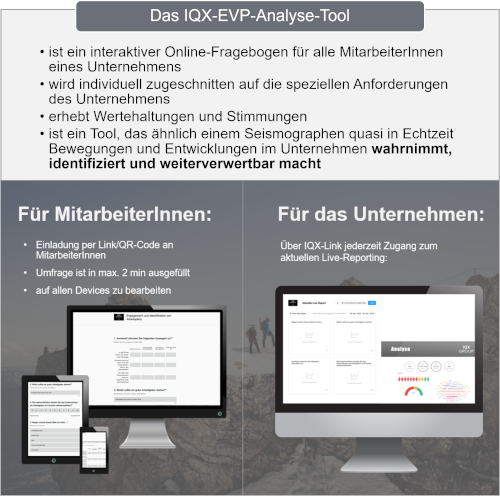
- Analyse und Zielsetzung: Bevor ein Employer Branding Projekt gestartet wird, ist es wichtig, eine gründliche Analyse durchzuführen, um die aktuelle Wahrnehmung des Unternehmens als Arbeitgeber zu verstehen und die Ziele des Projekts festzulegen. Dies kann durch interne Mitarbeiterumfragen, externe Marktforschung und Benchmarking mit Wettbewerbern erfolgen.
- Entwicklung einer Employer Value Proposition (EVP): Die EVP ist das Herzstück eines erfolgreichen Employer Branding Projekts. Sie definiert das einzigartige Angebot des Unternehmens als Arbeitgeber und umfasst Aspekte wie Unternehmenskultur, Arbeitsbedingungen, Entwicklungsmöglichkeiten und Vergütung. Die Entwicklung einer überzeugenden EVP sollte auf einer gründlichen Analyse der Mitarbeiterbedürfnisse und -erwartungen basieren.
- Interne Kommunikation und Mitarbeiterengagement: Die erfolgreiche Umsetzung eines Employer Branding Projekts erfordert eine aktive Einbindung der Mitarbeiter. Es ist wichtig, die Mitarbeiter frühzeitig in den Prozess einzubeziehen, ihre Meinungen und Ideen zu berücksichtigen und sie als Botschafter der Arbeitgebermarke zu gewinnen. Eine klare und transparente interne Kommunikation über die Ziele und Fortschritte des Projekts ist ebenfalls entscheidend.
- Externe Kommunikation und Employer Branding Aktivitäten: Neben der internen Kommunikation ist es wichtig, die Arbeitgebermarke auch nach außen zu kommunizieren. Dies kann durch gezielte Employer Branding Aktivitäten wie Karrierewebsites, Social Media, Recruiting-Veranstaltungen, Employer Branding Kampagnen und Partnerschaften mit Bildungseinrichtungen erfolgen. Die Botschaften sollten dabei konsistent und authentisch sein und die EVP des Unternehmens widerspiegeln.
- Messung und Evaluation: Um den Erfolg eines Employer Branding Projekts zu messen und kontinuierlich zu verbessern, ist es wichtig, klare Messgrößen und Kennzahlen festzulegen. Dies kann die Anzahl der Bewerbungen, die Mitarbeiterbindung, die Mitarbeiterzufriedenheit und die Wahrnehmung des Unternehmens als Arbeitgeber umfassen. Durch regelmäßige Messung und Evaluation können Schwachstellen identifiziert und Anpassungen vorgenommen werden, um die Effektivität des Employer Branding Projekts zu steigern.
Insgesamt ist die erfolgreiche Umsetzung von Employer Branding Projekten ein entscheidender Faktor für den langfristigen Erfolg eines Unternehmens im Wettbewerb um Talente. Indem Unternehmen eine starke Arbeitgebermarke aufbauen und pflegen, können sie nicht nur die besten Talente anziehen und binden, sondern auch ihre Wettbewerbsfähigkeit stärken und langfristigen Unternehmenserfolg sicherstellen.