INTERIM MANAGEMENT - CONSULTING EMPOWERED
Interim Management with IQX System
In today's fast-paced business world, companies must be able to respond flexibly and efficiently to challenges. Interim management has established itself as a valuable tool in this regard, especially when it is strengthened by sound consulting experience – more precisely, by consulting-empowered competencies based on systematic methodologies such as the IQX system . This system offers a well-designed and proven structure that enables interim managers not only to master business challenges but also to achieve sustainable and measurable results. It is this systematic approach that consulting-empowered interim managers indispensable partners in critical business situations.
The IQX system is a crucial component that consulting-empowered interim managers to tackle complex challenges efficiently and effectively. It provides a methodological framework for systematically identifying and analyzing problems and developing practical solutions. The IQX system that no aspect is overlooked and that solutions are not merely superficial, but profound and sustainable.
The IQX system enables interim managers to develop a clear, step-by-step plan tailored directly to the specific needs of the company. This systematic approach ensures that all stakeholders clearly understand the steps required to solve the problem and that these steps are implemented effectively.
A key advantage of the IQX system lies in its ability to systematically optimize business processes. Consulting-empowered interim managers use this system to quickly identify inefficient processes and implement sustainable improvements. The IQX system makes it possible not only to improve processes but also to optimize them in a measurable and traceable way, ensuring that the results are sustainable in the long term.
The IQX system enables interim managers to identify specific weaknesses in the process chain and, based on this, take concrete measures to increase efficiency and minimize resource waste. This leads to a significant improvement in company performance and creates a clear competitive advantage.
The IQX system also plays a central role in the goal-oriented implementation of corporate strategies. Consulting-empowered interim managers use this system to ensure that strategic goals are not only developed but also successfully put into practice. The IQX system defines clear objectives and systematically measures progress to ensure that all actions are aligned with these goals.
The strength of the IQX system lies in its ability to bring transparency and traceability to the implementation process. Interim managers can use this system not only to track progress but also to ensure that all measures are implemented effectively and the desired results are achieved.
Consulting-empowered interim managers use the IQX system to sustainably embed best practices within the company. This system enables them to identify the best methods from various fields and successfully integrate them into the specific context of the business. The IQX system ensures that these best practices are implemented not just in the short term, but permanently within the company.
Through the systematic application of the IQX system, interim managers can establish valuable processes and methods within the company that lead to improved efficiency and effectiveness in the long term. This sustainable anchoring of best practices strengthens the company's competitiveness and creates a solid foundation for future success.
Change processes are often complex and challenging, but consulting-empowered interim managers use the IQX system to effectively manage such processes. The IQX system offers a structured approach to change management that ensures changes are systematically planned, implemented, and monitored.
The IQX system helps minimize resistance to change and ensures that all stakeholders understand the necessity and benefits of transformation. This fosters acceptance and increases the likelihood of successful change management. Consulting-empowered interim managers use the IQX system to ensure that change is not only initiated but also sustainably embedded within the organization.
A systematic approach to risk and crisis management is crucial, and the IQX system a central role here. Consulting-empowered interim managers use this system to identify risks early and develop preventative measures that ensure potential crises are handled quickly and effectively.
The IQX system enables interim managers to systematically assess risks and take action before problems develop into serious crises. This proactive and structured approach is crucial for stabilizing a company in uncertain times and successfully guiding it through crisis situations.
What sets us apart from other interim management providers?
Founded as a consulting firm, we have evolved into a company that now primarily applies its extensive consulting expertise to interim management. Unlike other interim service providers, this allows us to simultaneously utilize interim mandates for the professional optimization of your business processes.
At the same time, we don't rely on a very large pool of experts, but rather on a team of more than 60 hand-picked individuals who can draw on our entire wealth of experience from 20 years of consulting. The geographical proximity of our headquarters to Eastern Europe makes us ideally suited to provide services there – over many years we have built up the necessary infrastructure and are continuously expanding it.
Is interim management sustainable?
In challenging times when internal resources are stretched to their limits, interim management proves to be the ideal solution. Our interim managers temporarily assume various roles, such as line management, project leadership, or coaching. With their extensive expertise and many years of experience, they offer valuable support to companies striving for sustainable change.
Our experts not only bring their specialist knowledge but are also skilled at establishing sustainable structures. They work closely with organizations to understand their individual needs and develop tailored solutions. With their experience and commitment, they support companies in overcoming challenges and achieving long-term success.
An interim manager brings a wealth of experience from various industries and companies where they have previously worked. This diverse experience allows them to integrate proven methods and processes that have demonstrated success in other contexts into the organization. Implementing such best practices often leads to immediate improvements in operations, but the true value becomes apparent in the long run. By introducing more efficient processes, clear structures, and modern management methods, the interim manager lays the foundation for sustained optimization. These new standards remain in place even after their departure, helping the company to operate more efficiently in the long term, reduce costs, and improve the quality of its products or services. Implementing such best practices creates lasting added value because it not only delivers short-term results but also empowers the company to continuously operate at a higher level.
An experienced interim manager sees their role not only as solving problems and overcoming challenges, but also as strengthening and developing the internal team. During their time with the company, they work closely with employees, identify their strengths and development needs, and strategically share their knowledge. This can happen through training sessions, workshops, or simply through daily collaboration. This knowledge transfer ensures that the team is not only able to handle current challenges but is also better equipped for future tasks. The interim manager thus leaves behind a strengthened team that possesses the necessary skills and confidence to continue working successfully independently after their departure. This investment in the company's people has a lasting impact, as it lays the foundation for the company's long-term development and adaptability.
Interim managers are often brought into companies during times of upheaval or when strategic realignment is necessary. Their task is not only to find short-term solutions to acute problems, but also to develop a long-term strategy that puts the company on the right track. An experienced interim manager analyzes the company and its environment, identifies opportunities and risks, and develops a strategy based on this analysis that makes the company future-proof. This strategy is not only developed but also implemented directly, so that initial successes become visible even during the interim phase. The strategic decisions made by the interim manager have an impact far beyond their time with the company. They ensure that the company not only responds to current challenges but is also prepared for future developments. The sustainability of these strategies is demonstrated by their ability to help the company remain competitive in the long term and successfully assert itself in the market.
An interim manager often joins companies undergoing a period of change. Their role is not only to manage this change but also to establish a culture of change within the organization. Through their experience and leadership style, they demonstrate to employees that change is not only necessary but can also be beneficial. By successfully initiating and implementing changes, they create an atmosphere that fosters innovation and promotes continuous improvement. This culture of change and flexibility is embraced and carried on by employees, even after the interim manager has left the company. As a result, the company becomes more flexible in the long term and better able to adapt to changing market conditions. Creating such a culture of change ensures that the company can not only respond to short-term challenges but also proactively prepare for future developments and achieve continuous growth.
Where and in which areas do we operate?
Our clients are mostly international, which implies that we also operate internationally for our clients. This is not limited to German-speaking countries – we operate in other European countries, but also from Asia to Mexico.
Examples of areas of activity include:
- Restructuring of companies or functional areas
- Turnaround Management
- Mergers & Acquisitions
- Project management
- Supplier Quality Assurance
- Supplier Supply Chain Assurance
- Saving projects in difficult situations
- Bridging vacancies for line functions
- Supplementing professional competence
- Introduction of new technologies
- Operational Excellence
- Cost reduction
- Downsizing of companies or company divisions
What are the advantages of using an interim manager?
Employing an interim manager offers companies a multitude of advantages that extend beyond simply bridging short-term leadership gaps. These experienced temporary leaders are not only able to react quickly and effectively in crisis situations, but they also bring a depth of knowledge and experience that can make all the difference in many cases. In a business world that is changing ever more rapidly and where companies must be flexible and adaptable, employing an interim manager is often a strategic decision that ensures long-term success. Key advantages of using an interim manager include:
A key advantage of an interim manager is their ability to assume responsibility quickly and without lengthy lead times. Companies going through a critical phase or suddenly losing a leader cannot afford extended periods of vacancy. The process of finding a permanent successor can take months, during which important decisions and projects could be delayed. Interim managers, on the other hand, are often ready to start work within a few days and possess the experience to quickly familiarize themselves with new tasks. They are accustomed to rapidly immersing themselves in complex situations, identifying operational challenges, and becoming productive immediately. This rapid onboarding minimizes the risk of leadership gaps and ensures that operations continue smoothly without delays.
Interim managers bring in-depth and broad expertise gained across various industries and companies. These leaders have already mastered numerous diverse challenges and can therefore draw upon a rich repertoire of solutions and best practices. Their experience enables them to make informed decisions quickly and resolve problems efficiently, as they are familiar with the dynamics and pitfalls of a wide range of business situations. This comprehensive experience is particularly valuable when a company faces new or especially difficult challenges for which internal knowledge and experience may be insufficient. Interim managers leverage their external perspective and in-depth expertise to develop innovative approaches and drive the company forward strategically, even in areas requiring specialized expertise.
Another key advantage of employing an interim manager is their objectivity. As an external leader, they bring an unbiased perspective to the company, free from internal political entanglements and historical baggage. This independence allows the interim manager to make decisions solely in the best interests of the company, without having to consider personal interests or past decisions. This objective perspective is invaluable, especially in situations where it's necessary to break down entrenched structures, initiate profound changes, or solve complex problems that could be complicated by internal dynamics. The interim manager can develop and implement clear, pragmatic solutions that are in the best long-term interest of the company, even if it means making difficult but necessary decisions.
Interim managers are known for their exceptional flexibility and adaptability. They are accustomed to working in diverse business environments and quickly integrating into new structures and cultures. This adaptability enables them to operate effectively in both stable and turbulent times. They adjust their role and approach to the specific needs of the company, whether during a period of rapid growth, restructuring, or a crisis. Their ability to respond flexibly to change ensures they always do precisely what is required in any given situation. In a business world characterized by constant change, this flexibility is particularly valuable. It allows the interim manager to act dynamically, respond to unforeseen challenges, and steer the company safely through turbulent waters.
Interim managers are highly results-oriented and focused on achieving specific goals within a defined timeframe. They possess a strong drive for implementation, enabling them to take swift and effective action to achieve the desired outcomes. Unlike permanent executives, who may be bound by long-term internal processes and policies, interim managers concentrate on achieving short-term successes and rapidly advancing projects. This goal orientation and drive for implementation ensure that projects and initiatives are not only launched but also successfully completed. Interim managers are particularly valuable in situations requiring rapid results, whether implementing restructuring measures, introducing new technologies, or improving operational processes. Their ability to work with focus and purpose makes them a key player who not only plans but also acts, thereby ensuring the company's success.
Employing an interim manager offers significant financial advantages. While interim manager fees may seem high at first glance, they provide a cost-effective solution when considering the flexibility and results achieved. Companies only pay for the services actually provided and can flexibly adjust the duration of the engagement to their needs and budget. There are no long-term commitments like with a permanent position, and the company can utilize the interim manager for precisely as long as required. This cost-efficiency, combined with the high probability of success, makes employing an interim manager an economically sound decision, particularly during periods of change or for specific projects. The ability to deliver results quickly and effectively means the company benefits from maximum value while keeping costs under control.
In which business areas is interim management used?
Interim management is used in a wide variety of business areas, often when a fast and competent leadership solution is needed. Companies turn to interim managers to fill critical gaps when a senior executive suddenly leaves or when specific expertise is required that is not currently available within the company. Especially during times of change or crisis, interim management is a proven way to ensure that the company stays on track and achieves its objectives.
In the finance department, for example, an interim CFO can help ensure financial stability when the company is undergoing restructuring or requires short-term external expertise to manage a crisis. Especially in economically challenging times, when liquidity must be secured and costs reduced, interim CFOs bring the necessary experience to make sound decisions and strengthen the confidence of investors and banks. Their role is also often crucial in mergers and acquisitions, ensuring the smooth execution of complex financial transactions and the efficient integration of new business units.
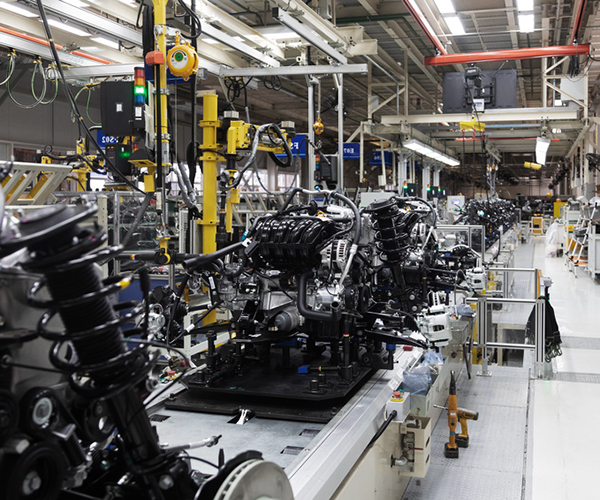
In the manufacturing sector, interim management is frequently employed when production processes need to be optimized or completely restructured. An interim production manager not only brings fresh perspectives but also possesses the necessary assertiveness to implement changes quickly and effectively. They ensure that production targets are met even during challenging times, while simultaneously increasing production quality and efficiency. This is particularly important in industries characterized by tight margins and high demands for production flexibility, such as the automotive or consumer goods industries.
Sales is another area where interim managers are frequently employed, particularly when it comes to developing new markets or optimizing existing sales structures. An interim sales manager can help react quickly to changing market conditions, develop new strategies, and implement them immediately. They are often brought in to support the company during a growth phase, such as launching new products or driving geographic expansion. Their experience and network enable them to efficiently achieve sales targets and strategically position the company optimally.
In the IT and technology sector, the use of interim managers is particularly in demand when technological upheavals are imminent or comprehensive digitization projects need to be implemented. An interim CTO brings not only technical expertise but also the ability to lead teams and successfully manage complex projects. They play a key role in modernizing IT infrastructure, implementing new software solutions, and driving the company's digital transformation. In an increasingly digital world, their role is crucial for future-proofing the company and securing its technological edge.
Interim management is also a proven method in human resources for ensuring the necessary leadership skills during times of change or staffing shortages. For example, an interim HR manager can ensure that restructuring is not only organizationally successful but also culturally successful. They bring the experience to guide complex change processes, engage employees, and simultaneously ensure that the company maintains its attractiveness as an employer. An experienced interim HR manager is invaluable, especially during periods requiring rapid decisions and changes.
Overall, it is clear that interim management can be deployed in virtually all areas of a company to overcome specific challenges, fill gaps, and guide the organization through difficult phases. Whether in finance, production, sales, IT, or human resources, interim managers bring the necessary expertise and flexibility to achieve sustainable results in a short timeframe. They are not only crisis managers but also strategists and implementers who drive the company forward strategically and keep it on a path to success. In an increasingly complex business world, they have become indispensable partners who support companies at crucial moments and ensure that changes are not only planned but also successfully implemented.
Are interim managers worth their money?
Daily rates between €1,100 and €2,000 for full-time work – over several months – are enough to make many a finance manager break out in a cold sweat. From their perspective, this is understandable. However, the use of interim managers is often indispensable, as demographic change has already taken hold in most companies. Experts in specific fields – with leadership experience, empathetic, highly communicative, and fully flexible in terms of geographical location – this is how the wish list for employees needed for the future of one's own company reads. Unfortunately, this ideal increasingly resembles an unrealistic one that is hardly to be found on the open job market anymore. In our experience, more and more experts with relevant skills want to dedicate themselves to jobs (temporary assignments) with maximum energy and have the time and freedom to regenerate after an assignment. In addition, the "total cost of ownership" also needs to be considered for such business arrangements
Considerations: Immediate availability and therefore no loss due to understaffing, no payroll taxes, no bonuses, no fees for recruitment agencies, no termination costs, deployment "on demand" and much more are important aspects for deciding between "search for permanent staff" and "interim management".
Interim managers always come alone
Anyone who has ever actively dealt with the topic of interim management knows about the costs associated with engaging a highly specialized executive on a temporary basis. If you ask CEOs who have already gained experience working with renowned interim managers, it quickly becomes clear why this working model, already established in many European countries, is becoming increasingly prevalent.
You pay two to three times as much for an interim manager compared to a comparable employee on a permanent contract – if you can find one. This is somewhat offset by familiar arguments such as unpaid sick leave and vacation, higher productivity, and immediate availability, but even then, it only represents the tip of the iceberg. Interim managers are typically highly networked, high-potential individuals with excellent personal contacts at all management levels in virtually every sector that is potentially of interest to the client. New suppliers offering excellent value for money, reliable planning partners, public service providers such as university service centers, or decision-makers in government agencies are just a few examples of the numerous new contacts that you more or less acquire along with the engagement.
"Birds of a feather flock together" is a proverb, but also a fact, particularly true for managers who, due to their communicative nature, are in regular contact with one another and quickly establish new relationships. While their experiences are highly diverse, reputable interim managers typically operate within a small niche, but they have experts in almost every field at their disposal to quickly and competently resolve even cross-functional challenges in complex situations – often without additional costs for the client. Consulting firms with a network structure have the greatest leverage over interim providers or numerous individual consultants, as personal exchange is a daily occurrence thanks to consistent team composition and friendly relationships.
This allows even the most complex problems to be competently analyzed and resolved in the shortest possible time. And if someone can't manage it? – the next morning, the expert team will be there in person, steering the sailboat safely into port even from the fiercest storm. Especially in difficult situations, the question isn't whether there are costs or not, but rather whether to pay beforehand or afterward, and to whom. If the decision is made to pay beforehand, there's a real chance not only of minimizing costs but also of converting them into profit many times over through the added value that an interim manager passively brings, because: An interim manager rarely comes alone.