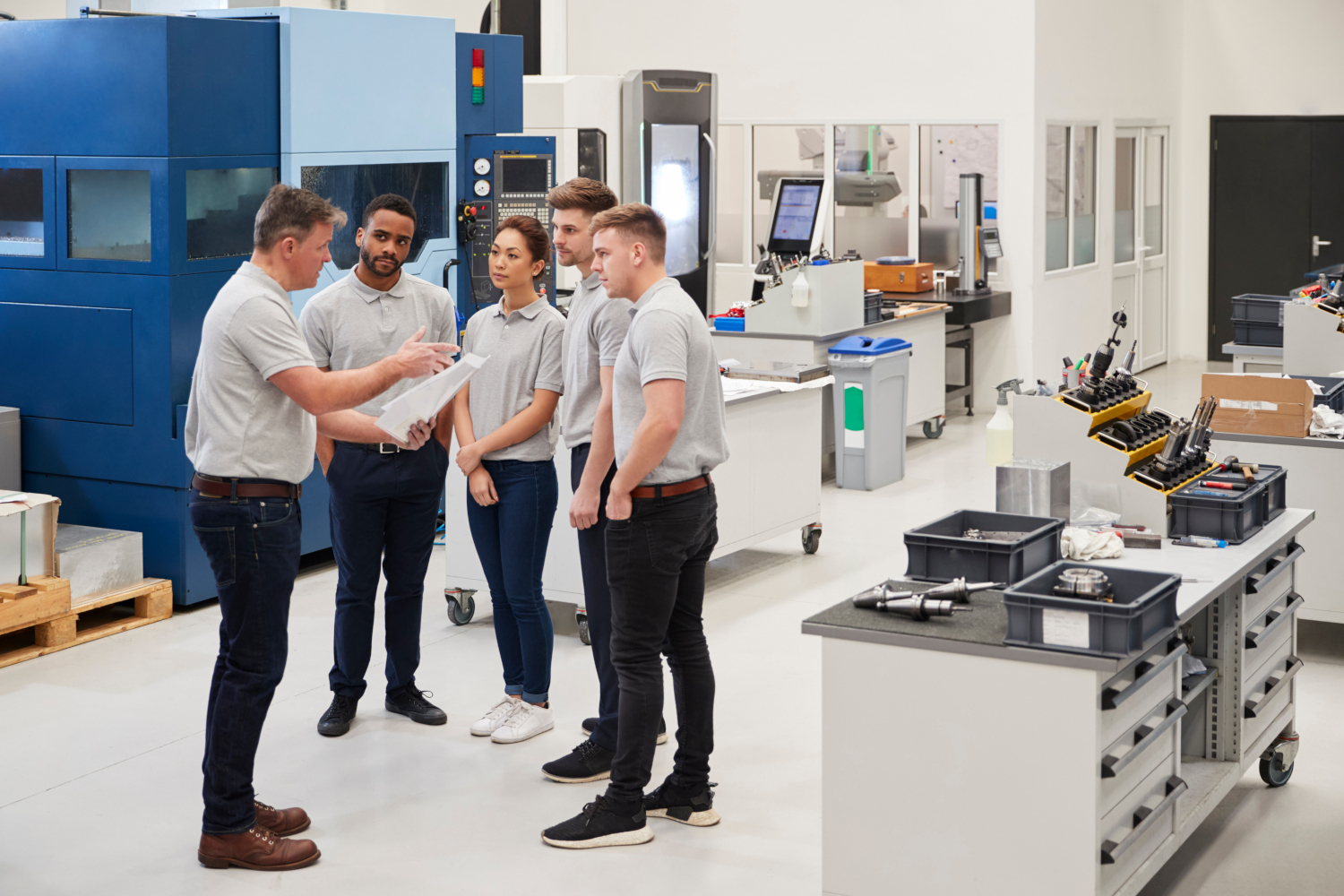
Interim quality manager
An interim quality manager temporarily assumes responsibility for quality management within a company, typically during periods of staff shortages, restructuring, or specific projects. Their primary task is to ensure that the company's quality standards are met and continuously improved. This includes monitoring and optimizing production processes, implementing quality management systems, and ensuring compliance with relevant standards and regulations (e.g., ISO standards). They analyze existing processes, identify weaknesses, and implement measures to enhance product quality. Furthermore, they conduct training sessions and raise employee awareness of quality requirements. An interim quality manager brings fresh perspectives and best practices to support companies in the short term and achieve long-term improvements in quality management.
Your contact at IQX:
Walter Meitz
+43 664 654 06 79
This email address is stez protected from spambots. You need javaScript Enabled to view it.
Are you looking for an interim quality manager?
An interim quality manager is particularly needed when companies require short-term support in quality management, whether due to unforeseen staffing shortages or during periods of transition. If a quality manager is unavailable, for example due to resignation, illness, or parental leave, and operational processes must be maintained, an interim manager can fill the gap and ensure quality assurance. Their expertise is also in demand during restructuring or mergers to develop new quality standards and seamlessly adapt existing systems.
Furthermore, an interim quality manager is often deployed in crisis situations when a company experiences acute quality problems such as production outages or recalls. In these situations, they help to quickly develop solutions and stabilize processes. An interim manager also provides valuable support during the implementation of new quality management systems, such as ISO certification, by implementing the system and training employees.
In projects with particularly high quality requirements, such as those involving new products or technologies, the interim quality manager also plays a central role. They ensure that quality standards are consistently met. In doing so, they bring not only specialist knowledge but also an external perspective, enabling them to develop solutions quickly and effectively until a permanent management solution is found.
Special field SQA (Supplier Quality Assurance)
Supplier Quality Assurance (SQA) is a core element of our quality management service portfolio. In an increasingly globalized supply chain, supplier quality plays a crucial role in a company's success. We support our clients in ensuring and continuously improving the quality of the products and services provided by their suppliers.
Our approach to Supplier Quality Assurance involves developing and implementing tailored quality strategies designed to stabilize the supply chain and identify potential quality risks early on. This begins with the careful selection and evaluation of potential suppliers, where we apply stringent quality criteria to ensure that only the most capable partners are integrated into the supply chain.
Following supplier selection, we ensure continuous monitoring and evaluation of supplier performance. We work closely with suppliers to guarantee that their production processes and quality management systems meet the required standards. We actively support them in implementing improvement measures and optimizing their processes to ensure consistently high quality.
Another key focus of our work is collaborating on audits and implementing corrective and preventive actions (CAPA). Should quality deviations occur, we support you in identifying the root causes and taking swift and effective countermeasures. Our goal is not only to resolve short-term problems but also to achieve sustainable quality improvements throughout the entire supply chain.
Through our many years of experience and expertise in supplier quality assurance, we help our customers minimize risks in the supply chain, stabilize their production processes, and ensure the overall quality of their end products. In this way, we make a significant contribution to ensuring that our customers remain competitive in the long term and strengthen their market position.
Main tasks of an interim quality manager
Ensuring quality standards
The interim quality manager ensures that all production processes and products meet the defined quality requirements. This includes monitoring existing quality management systems and ensuring compliance with applicable standards and regulations, such as ISO standards.
Analysis and optimization of processes
A key task is to examine current processes in order to identify weaknesses and implement improvements. The interim quality manager develops measures for process optimization to increase efficiency while simultaneously improving product quality.
Crisis management and problem solving
In the event of acute quality problems, such as recalls or production defects, the interim quality manager initiates immediate measures to resolve the issue. This includes identifying the root causes and implementing solutions to stabilize quality and minimize risks.
Employee training and awareness
The interim quality manager trains the staff to ensure that all employees understand the quality requirements and implement them in their daily tasks. He raises awareness of quality issues within the teams and conducts training programs to promote quality consciousness throughout the company.
Required social skills of an interim quality manager
Exceptional communication skills are a key attribute for an interim quality manager. In this role, it is crucial to convey complex technical information and quality standards in a way that is understandable and comprehensible to all involved. An interim quality manager must be able to communicate effectively with both senior management and employees at all hierarchical levels. Often, this involves highlighting the urgency of specific measures while simultaneously demonstrating an understanding of the practical challenges of implementation.
Furthermore, regular feedback loops and status updates are necessary to ensure that everyone on the team is on the same page and that quality goals are being pursued collaboratively. Effective communication not only promotes clarity but also fosters trust among all involved, which is particularly important in temporary assignments.
Empathy is an indispensable tool for an interim quality manager operating in a new environment who must quickly adapt to the company's needs and expectations. Empathy enables the manager to understand the perspectives and challenges faced by employees and to grasp their concerns. This is particularly helpful when it comes to changes in quality management that might potentially encounter resistance.
An empathetic manager recognizes that quality management is not just a technical matter, but also concerns the people within the company. Active listening and empathy can resolve conflicts, strengthen trust, and foster a more open attitude towards change. In the long run, empathy leads to better collaboration and greater acceptance of new processes.
An interim quality manager must not only be diplomatic and empathetic, but also possess sufficient assertiveness. They often encounter resistance when it comes to implementing new quality processes or changing existing practices. In these moments, it is important to act decisively and firmly without jeopardizing team dynamics.
Assertiveness means clearly communicating why certain quality measures are essential and what the consequences of ignoring them could be. A good interim quality manager knows when flexibility is needed and when it's necessary to adhere firmly to requirements and standards to achieve the desired results. They must ensure that quality guidelines are consistently followed, even if this means additional effort in the short term.
The role of an interim quality manager often involves unforeseen challenges, particularly during crises or quality issues. In such situations, strong problem-solving skills are essential. The interim manager must be able to quickly analyze problems, identify their root causes, and take immediate action to stabilize the situation. This requires a structured approach and the ability to make clear decisions, even under pressure.
An interim quality manager ideally brings extensive experience and can draw on a broad repertoire of problem-solving strategies. This ability is particularly valuable when it comes to developing sustainable solutions that not only provide short-term relief but also ensure quality and optimize processes in the long term.
Teamwork is essential in any leadership role, but it is particularly important for an interim quality manager who is only with the company for a limited time. The manager must be able to quickly integrate into existing teams, create a productive working atmosphere, and motivate the team to achieve the jointly defined quality goals. It's about bringing together different departments and fostering effective collaboration, even when team members have different priorities or approaches.
An interim quality manager often acts as a liaison between different departments, such as production, sales, or development. In this role, they must not only lead the team but also ensure that everyone is working towards the same goal. Teamwork in this context means recognizing the strengths of each individual member and integrating them into the process as effectively as possible.
Interim production managers often work in environments where change is necessary or already underway. The ability not only to accept these changes but also to actively shape them is therefore crucial. Change management encompasses the planning, communication, and implementation of changes necessary to achieve production goals. Flexibility is key to success, as things don't always go according to plan. An interim production manager must be prepared to react quickly to unforeseen developments and adapt their strategy accordingly. It is essential that they guide the team through the changes while simultaneously ensuring the long-term success of the new processes and structures.
Since an interim quality manager is typically with a company for a limited time, they must adapt quickly to new environments, cultures, and ways of working. The ability to acquire a comprehensive understanding of the company's structures and processes in a short period is crucial. Adaptability also means responding flexibly to unexpected changes or new challenges and developing solutions tailored to the specific needs of the company.
An adaptable interim manager can flexibly tailor their approach depending on company size, industry, or specific requirements. Since companies have different expectations of the role, the interim quality manager must be able to respond quickly to new demands and offer customized solutions that integrate seamlessly into the existing structure.