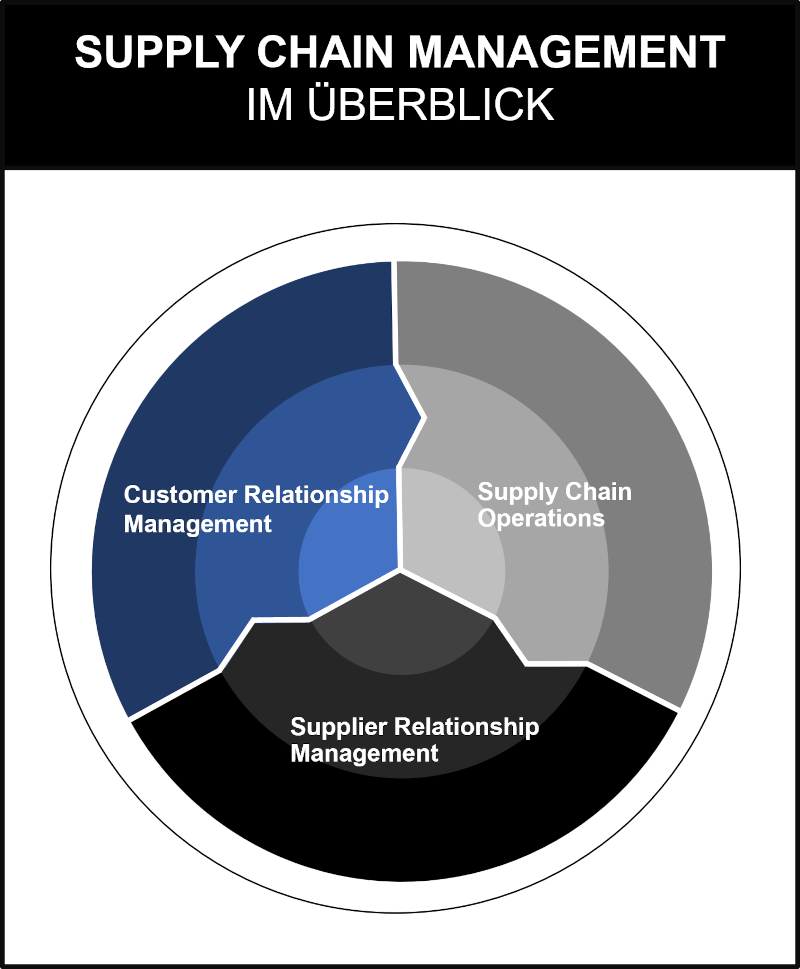
Für IQX bedeutet Supply Chain Management das Erreichen eines Höchstmaßes an Leistung, Effizienz und Effektivität in allen Aspekten des Managements des Waren-, Dienstleistungs-, Informations- und Finanzflusses vom Ursprungsort von Rohstoffen bis zum Verbrauch / zur Nutzung durch den Endkunden.
Das IQX-Team umfasst einen Pool von Experten, um alle notwendigen Erfolgsfaktoren zur Implementierung eines optimalen Supply Chain Systems sicher zu stellen.

Ihr Kontakt:
Franz Nigitz
+43 664 750 344 39
This email address is being protected from spambots. You need JavaScript enabled to view it.
Effizienz
Effizienz in der Supply Chain definieren wir als die Sicherstellung, dass Prozesse bei den Lieferanten hinsichtlich Verschwendung optimiert sind – und daraus Potentiale zur Kostensenkung und Optimierung der Ressourcennutzung gemeinsam gehoben werden.
⦁ Cost Engineering zu Produkten von Lieferanten (DFA, DFM)
⦁ Kostenreduktionsprogramme beim Lieferanten
⦁ Optimierung von Transport Gebinden
⦁ Optimierung der Transportkosten
⦁ Einführung wichtiger Steuergrößen bei Lieferanten
Zuverlässigkeit
Die Zuverlässigkeit im Zuge der Lieferkette basiert auf der Gewährleistung von Transparenz, Qualität und die Pünktlichkeit der Lieferung von Produkten oder Dienstleistungen.
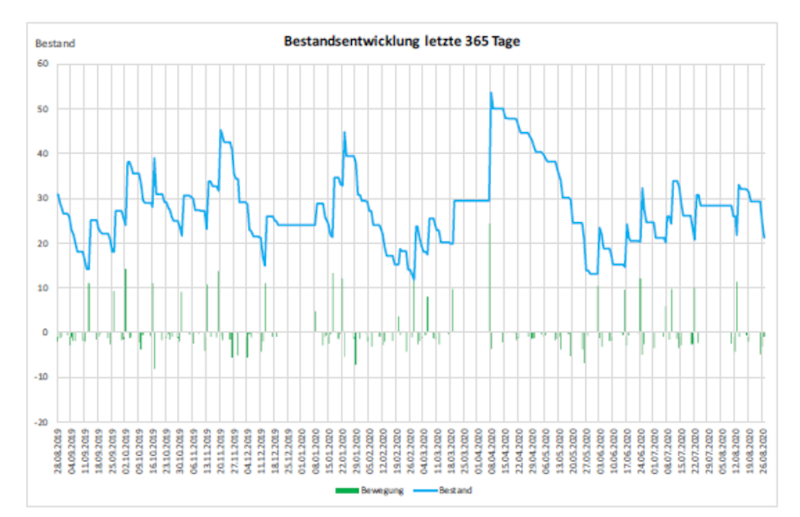
⦁ Exzellente Disposition zur Minimierung der Bestände (Prozess zu den Lieferanten, Digitalisierung der Schnittstellen mit den Lieferanten, Losgrößenoptimierung, …)
⦁ Auf ein Optimum getrimmtes System zur Auftragsabwicklung und Produktionsplanung
⦁ Optimierung der physischen und digitalen Lagerhaltung
⦁ Optimale Ausrichtung des ERP auf die Beschaffung, Transport und interne Logistikanforderungen
⦁ Wertstromdesign
⦁ Effiziente Warenübernahme
⦁ Auf die Fertigung ausgerichtete Nachschub- und Anstellprozesse bzgl. Material an die Arbeitsplätze
⦁ Sichere Handhabung von suspekten Materialien / Ausschuss
⦁ Fähiges System zur Handhabung aller eingesteuerten Änderungen zu Produkt und Prozess

Flexibilität
Die Flexibilität einer Lieferkette wird vor allem getrieben, die involvierten Mitarbeiter:innen so zu befähigen, dass sie sich schnell an Nachfrageänderungen, Unterbrechungen der Lieferkette, Marktbedingungen oder regulatorische Anforderungen anpassen können.
- Shopfloor Management für SCM
- Steuergrößensystem SCM
- Einführung von Lean Logistics Methoden
- Teamorganisation in der Logistik
- Team Meetings in der Logistik
Zusammenarbeit mit Lieferanten
Zusammenarbeit zwischen Lieferanten und Kunden definiert sich vor allem im Aufbau starker Beziehungen, um die Steuerung und Kommunikation in der gesamten Lieferkette ständig zu verbessern.
- Ziel- & Feedback-System zu den Lieferanten (gemeinsame Zielvereinbarungen, transparentes Lieferanten-Rating)
- Transparentes System zur Platzierung von Anfragen und dem Verhandeln von Angeboten
- Durchgängiges Vertragsmanagement mit den Lieferanten
- Effizientes Management zur Handhabung von fehlerhaft gelieferten Produkten und Dienstleistungen
- Hocheffektives Claim Management
- Präventives Task Force Management bei Lieferanten (Qualitätsprobleme, Lieferengpässen, ...)
